

Alder, BASF, National Laboratory of the Rockies, and North Atlantic Refining co-authored a new Hydrocarbon Processing article on coprocessing Alder Renewable Crude in fluid catalytic crackers. The work highlights a practical pathway to produce renewable fuels by integrating ARC into existing refinery FCC units, with improved handling, storage stability, and strong product yields.
Alder Renewables is pleased to share a new article in Hydrocarbon Processing, co-authored with BASF, National Laboratory of the Rockies, and North Atlantic Refining, focused on coprocessing Alder Renewable Crude in fluid catalytic cracking units.
Fluid catalytic crackers, or FCC units, are among the most widely deployed conversion technologies in global refining. Because these assets are already installed across the refining sector, they represent a practical pathway for integrating renewable carbon into existing fuel production systems while leveraging infrastructure refiners already operate at commercial scale.
The article highlights how Alder Renewable Crude can support this approach by offering improved handling, better storage stability, and strong product yields. These attributes are important for refiners seeking to incorporate advanced biocrudes into existing operations while producing hydrocarbon products compatible with today’s vehicles, supply chains, and energy infrastructure.
For Alder, FCC co-processing is an important bridge between renewable feedstocks and existing fuel markets. Rather than requiring a standalone conversion platform, ARC is designed to enter refinery systems already producing transportation fuels at scale.
The work also demonstrates the importance of validating ARC within real refinery configurations, with partners spanning catalyst technology, refining, and applied research.
We would like to thank our coauthors and collaborators Lucas Dorazio, Guillaume Vincent, Reinhard Seiser, and Mark Bassard for advancing this important work.
Building momentum with technology validation, strategic partnerships, and new projects
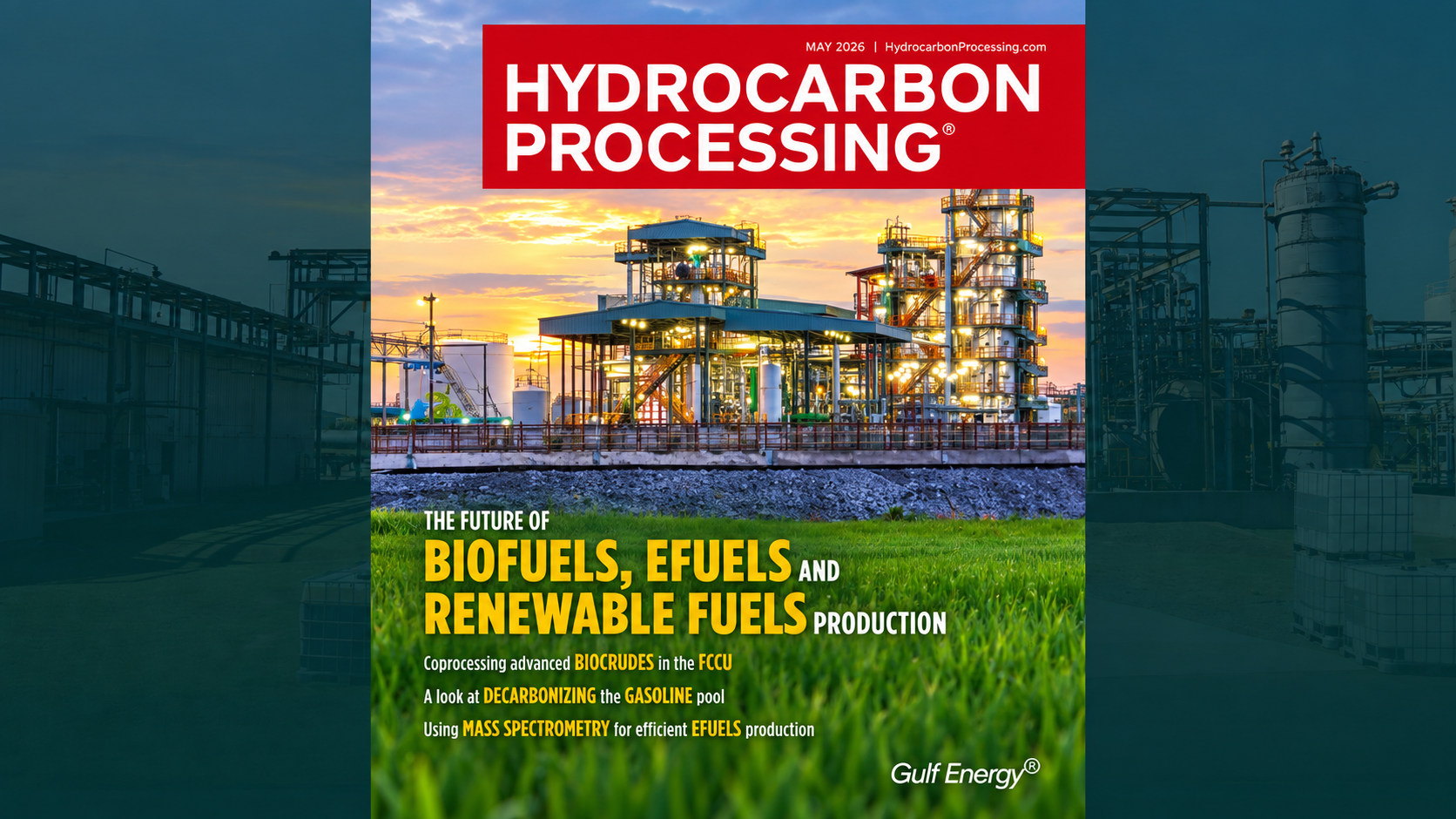
Alder, BASF, National Laboratory of the Rockies, and North Atlantic Refining co-authored a new Hydrocarbon Processing article on coprocessing Alder Renewable Crude in fluid catalytic crackers. The work highlights a practical pathway to produce renewable fuels by integrating ARC into existing refinery FCC units, with improved handling, storage stability, and strong product yields.
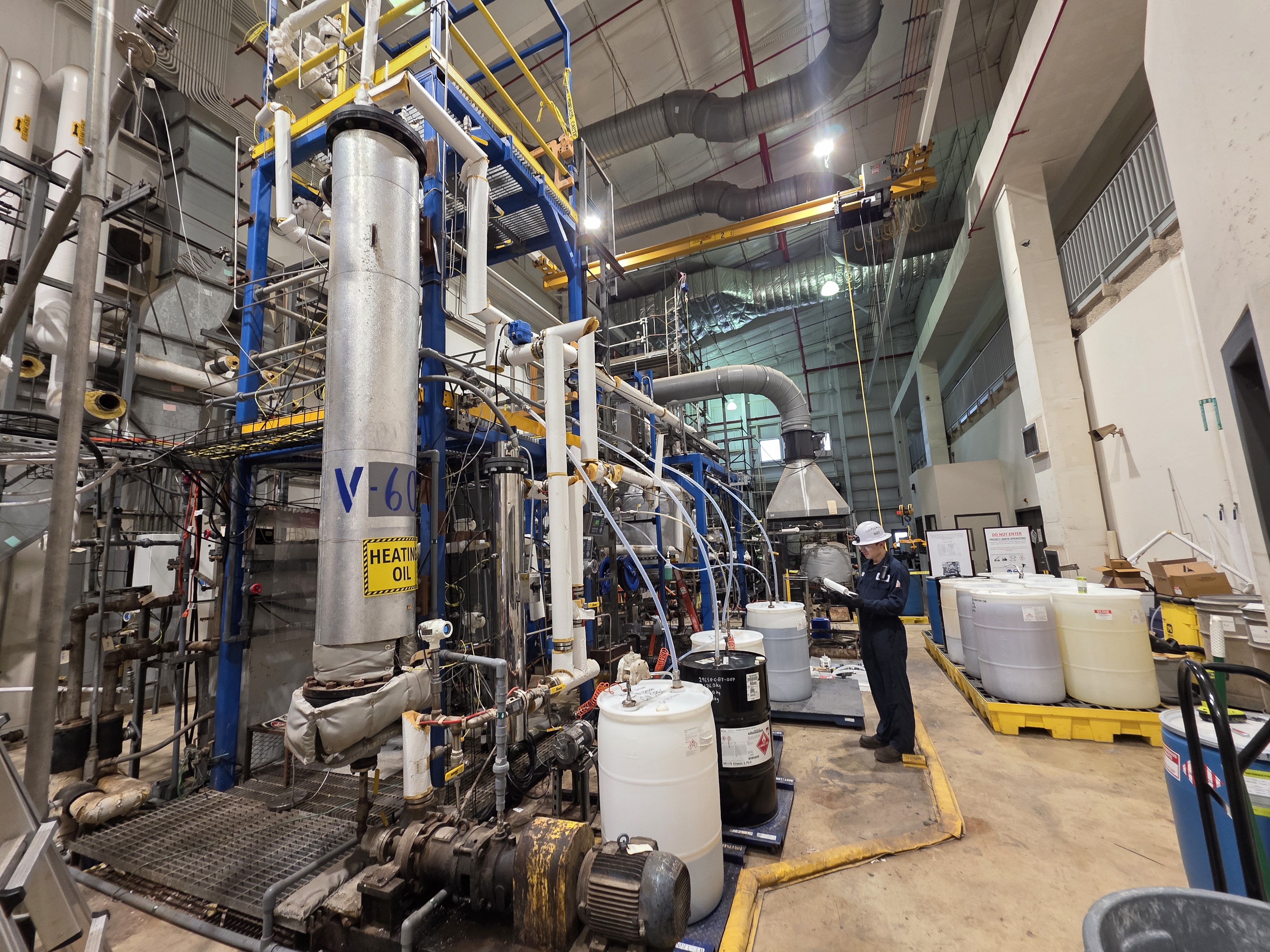
Project Avance demonstrated barrel-scale ARC production from commercial fast pyrolysis oils derived from forestry residues. The campaign focused on the final unit operation in Alder’s process, showing consistent performance across different commercial pyrolysis feedstocks and supporting a flexible pathway to refinery integration and scale-up.
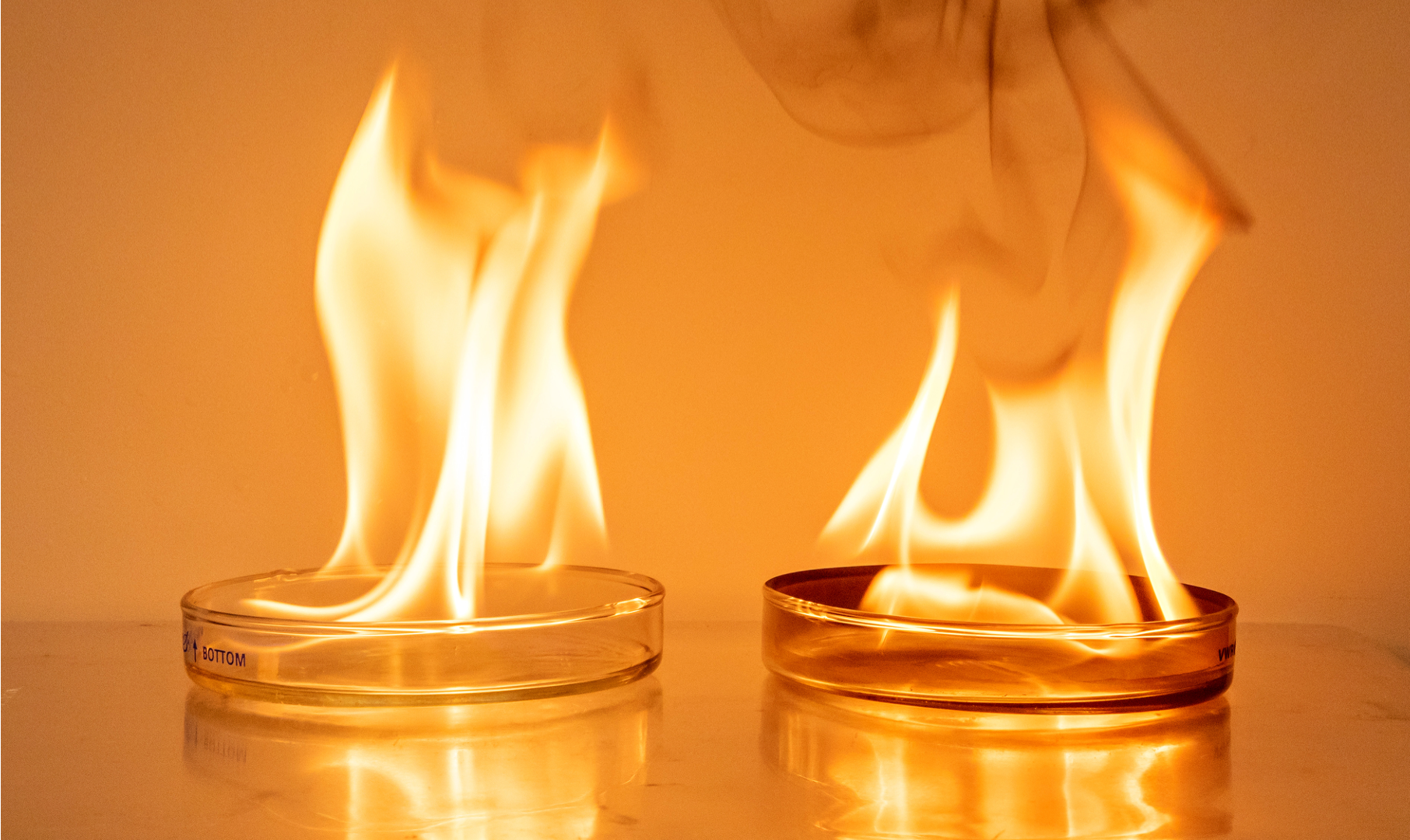
Alder SAF100 demonstrated a 100% biogenic jet-fuel blend using hydrotreated Alder Renewable Crude (ARC) as the majority component with a smaller share of HEFA-SAF. Testing showed favorable energy density and low-temperature properties, highlighting the potential for ARC-derived hydrocarbons to support next-generation SAF production.


All rights reserved