

Alder has surpassed 1,000 hours of operation at its integrated industrial pilot in San Antonio, continuously producing on-spec Alder Renewable Crude from wood-residue pyrolysis oil. The milestone demonstrates sustained real-world operation of the technology Alder plans to scale and deploy, while providing the operating experience needed to keep advancing toward commercial deployment.
Reaching 1,000 hours of operation at our industrial pilot is an important milestone because it shows that Alder’s technology can move beyond the lab and into the real world. Over the course of the campaign, we continuously processed wood-residue pyrolysis oil into Alder Renewable Crude, proving sustained operation and producing on-spec barrels that we will bring to market. And the plant continues to run beyond this milestone. Our team continues to learn how to operate it more efficiently, push its boundaries, and keep advancing our technology. This was not a one-time experiment. It was validation of how our technology performs over time.
For Alder, this milestone is about building the confidence and momentum needed to bring a new technology to market. Long-duration operation is how you confirm the process and the equipment, work out the kinks in how a fully integrated system is controlled, and see how your plant responds to the day-to-day realities of operation. That means dealing with new barrels of feed arriving, summer temperature swings in Texas, operator shift changes, logging instruments and pulling samples 24/7, and making adjustments to see how the plant responds hour after hour. Those learnings are what ultimately allow us to put barrels of on-spec Alder Renewable Crude into our customers’ hands.
This is the bridge between successful technology development and building something that can operate reliability at scale. In simple terms, the process did what we designed it to do. But getting there took much more than a good idea. It took a team of researchers, engineers, and operators working side by side, troubleshooting problems and spending long hours doing hands-on problem solving. That is what working at the frontier of new technology looks like: finding the problems no one has solved before, working through them one by one, and bringing something new to life.
That is what makes this milestone meaningful to me. I joined Alder to take resources that are too often overlooked, things like sawdust and piles of forest residues, and turn them into something far more valuable. If we can create new, high-value markets for those materials, we can strengthen our energy infrastructure and create new economic opportunities for the people and industries that touch them, from managing our forests, to operating our refineries, to moving people and making the everyday products we all rely on.
To me, this is what new technology advancement is about. It is not just inventing something new or having a creative idea. It is having the grit to take a hard problem, bring together science, engineering, operations, and practical problem solving, and make something useful actually work. And none of that happens in a vacuum. It takes technical partners, customers, and investors willing to take on the risk of bringing new technology forward. That is not a trivial endeavor. And the work does not stop when you hit a milestone. You keep learning, improving, and moving the technology forward.
But that is how progress happens. It took one hell of a team to get here, along with tremendous support from everyone who believed in what we were building. We still have a long way to go, but this is exactly the kind of progress we came here to make.
Building momentum with technology validation, strategic partnerships, and new projects
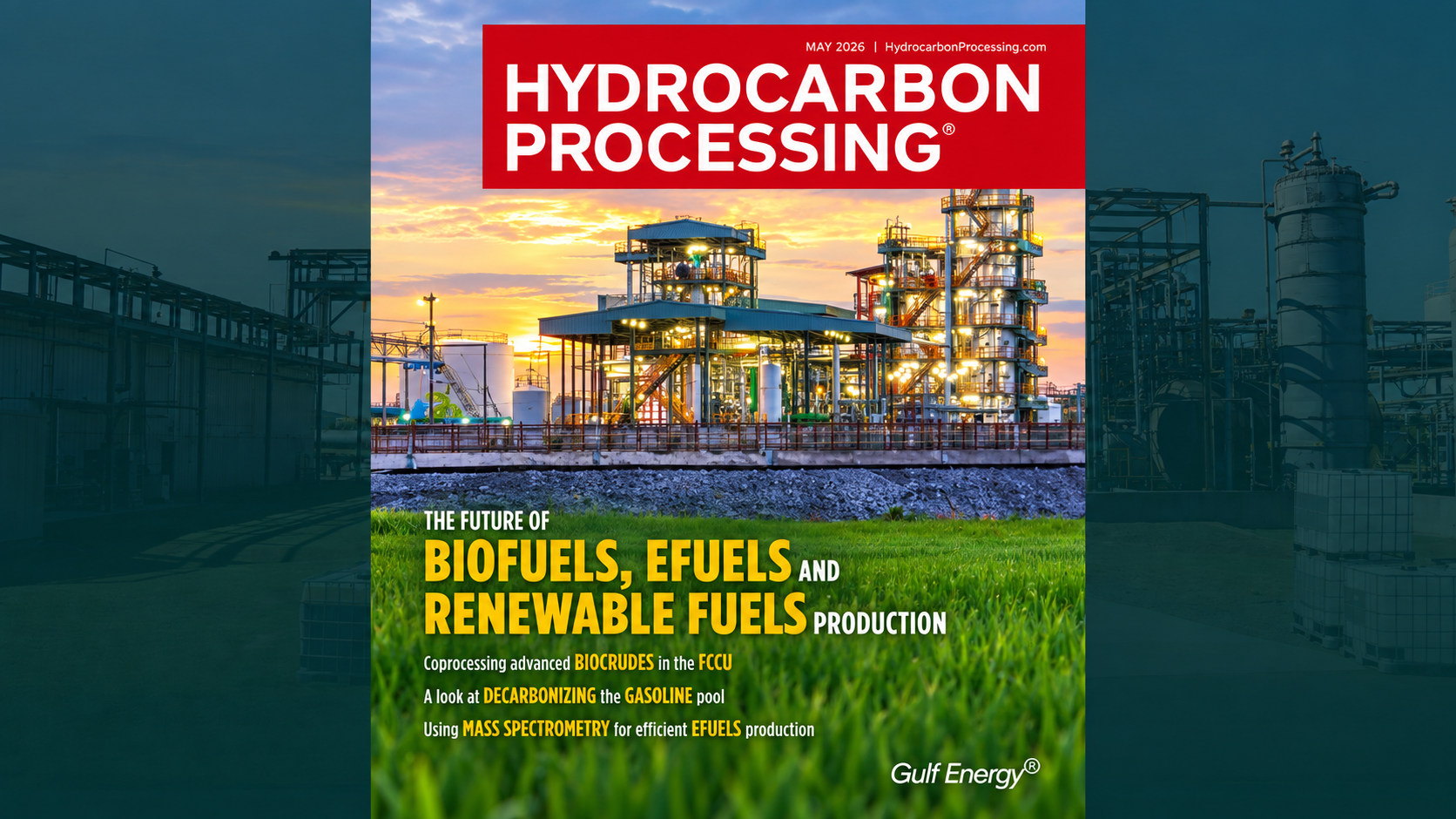
Alder, BASF, National Laboratory of the Rockies, and North Atlantic Refining co-authored a new Hydrocarbon Processing article on coprocessing Alder Renewable Crude in fluid catalytic crackers. The work highlights a practical pathway to produce renewable fuels by integrating ARC into existing refinery FCC units, with improved handling, storage stability, and strong product yields.
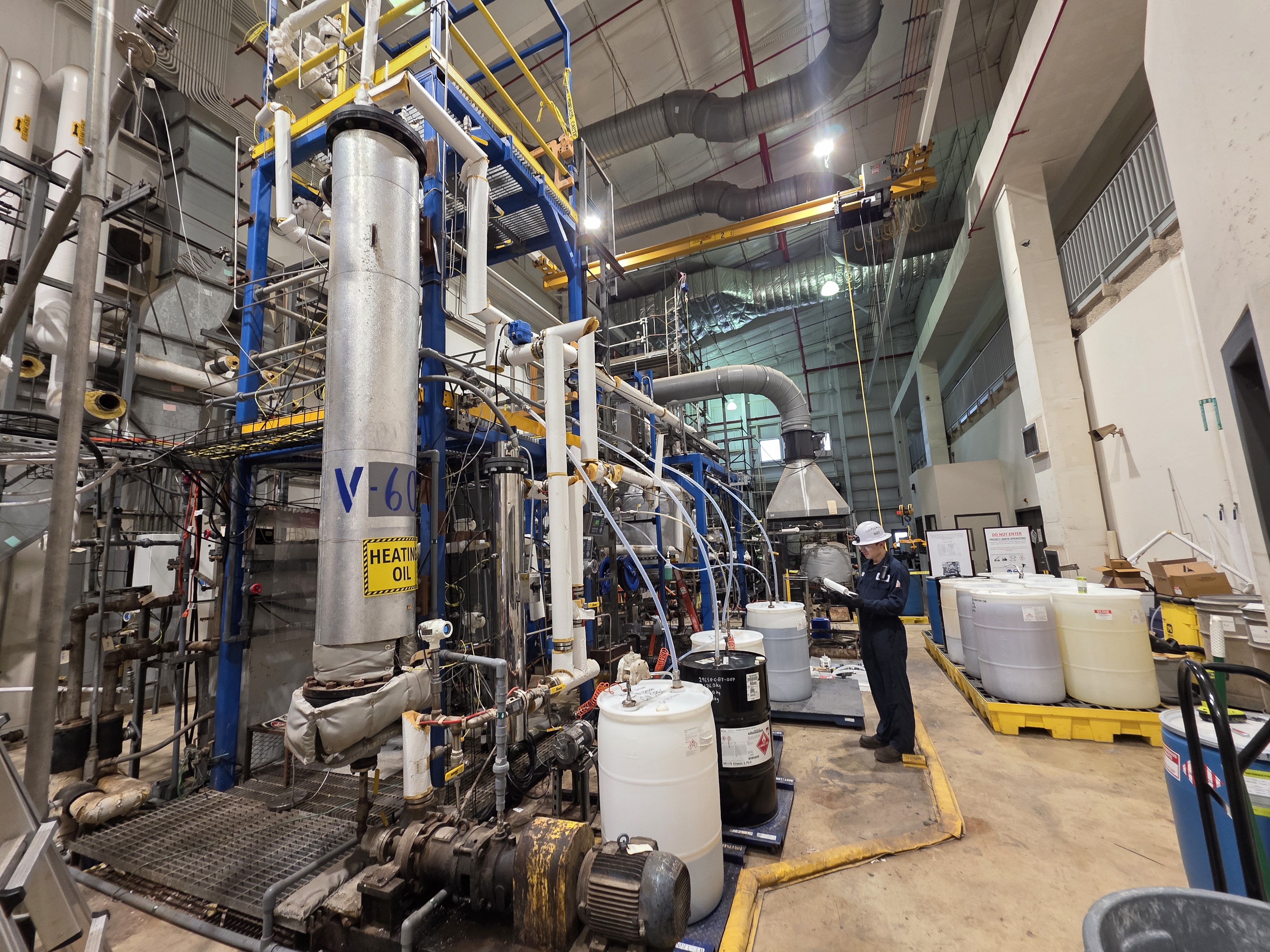
Project Avance demonstrated barrel-scale ARC production from commercial fast pyrolysis oils derived from forestry residues. The campaign focused on the final unit operation in Alder’s process, showing consistent performance across different commercial pyrolysis feedstocks and supporting a flexible pathway to refinery integration and scale-up.
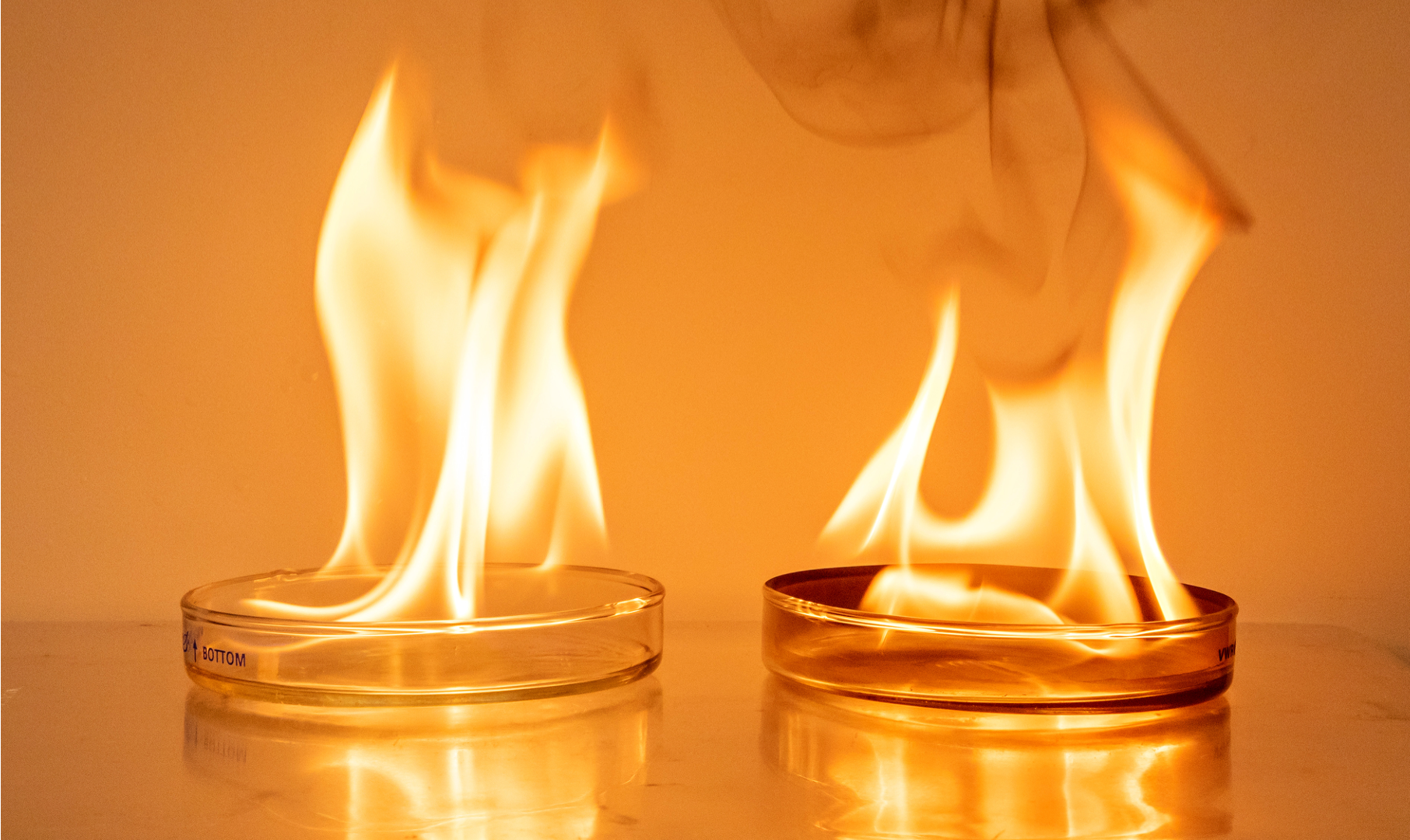
Alder SAF100 demonstrated a 100% biogenic jet-fuel blend using hydrotreated Alder Renewable Crude (ARC) as the majority component with a smaller share of HEFA-SAF. Testing showed favorable energy density and low-temperature properties, highlighting the potential for ARC-derived hydrocarbons to support next-generation SAF production.

All rights reserved